
“`html
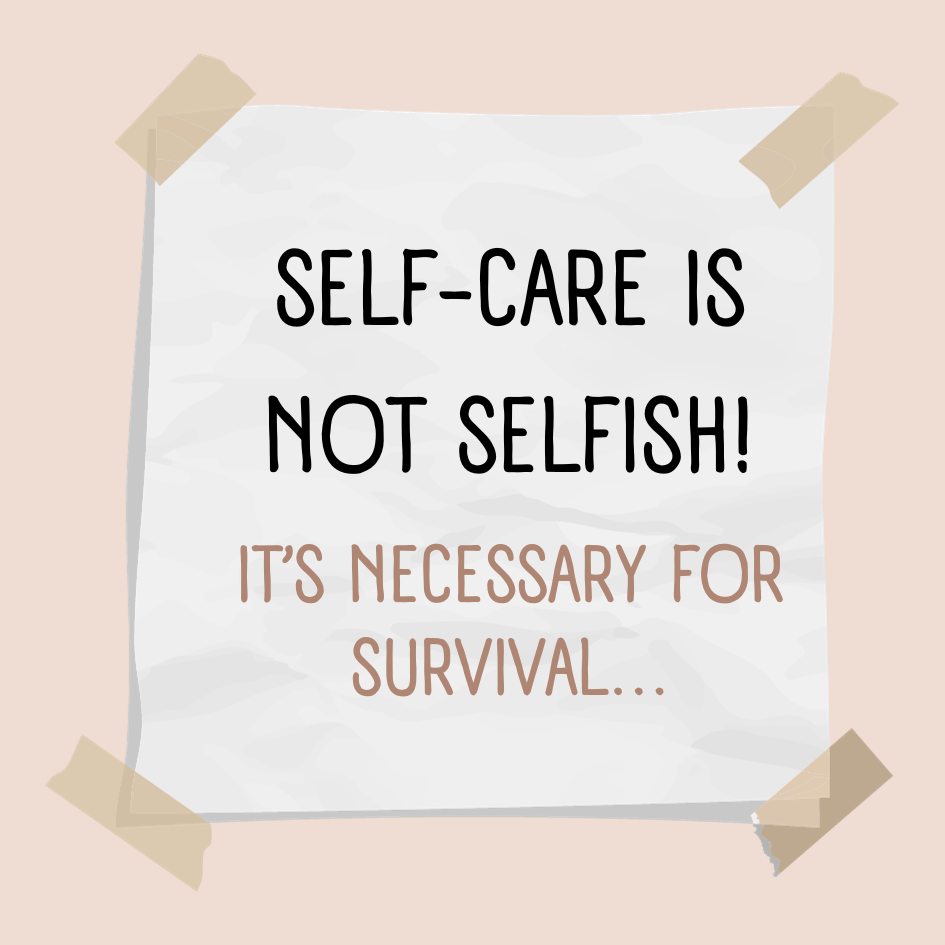
Self-Care is Not Selfish: It’s Survival.
Introduction
Ever feel like you’re running on fumes? Like you’re constantly pouring from your cup into others, leaving nothing for yourself? In today’s relentlessly demanding world, we’re often told to push harder, achieve more, and be perpetually available. We’re bombarded with messages that subtly (or not so subtly) equate busyness with worth. But what if the key to actually achieving more, to being more effective and fulfilled, lies not in doing *more*, but in prioritizing ourselves? What if self-care wasn’t just a trendy buzzword, but a fundamental survival skill?
Let’s face it, the word “self-care” can conjure images of expensive spa days and elaborate pampering rituals, which can feel unattainable and, frankly, a bit indulgent. But strip away the marketing fluff, and you’re left with something far more essential: the conscious act of nurturing your physical, mental, and emotional wellbeing. It’s about acknowledging that you, too, are a resource that needs replenishing.
The Silent Drain: Understanding the Short and Long-Term Impacts
Imagine a car constantly driven without ever getting an oil change. In the short term, it might still function, but with reduced performance. You might notice a decrease in fuel efficiency, a rougher ride, and maybe even some concerning noises. Similarly, neglecting self-care in the short term can manifest as:
- Increased Stress and Anxiety: When we constantly prioritize others, we deny ourselves the space to process our own emotions and stressors. This can lead to heightened anxiety, irritability, and difficulty concentrating.
- Burnout and Fatigue: Running on empty inevitably leads to burnout. This exhaustion isn’t just physical; it’s mental and emotional. You might find yourself feeling detached, cynical, and lacking motivation.
- Impaired Decision-Making: A stressed and tired mind isn’t a clear one. Neglecting self-care can lead to poor judgment, impulsive decisions, and increased susceptibility to mistakes.
- Strained Relationships: When we’re running on fumes, we’re less patient, less empathetic, and more prone to snapping at loved ones. This can damage our relationships and create unnecessary conflict.
But the long-term consequences of neglecting self-care are even more alarming. Think of our hypothetical car again. Ignoring the warning signs eventually leads to engine failure, a costly and potentially irreparable disaster. In the same way, prolonged neglect of self-care can contribute to:
- Chronic Health Problems: Stress is a major contributor to a wide range of health problems, including heart disease, high blood pressure, weakened immune system, and digestive issues.
- Mental Health Disorders: Untreated stress and anxiety can escalate into more serious mental health disorders, such as depression and anxiety disorders.
- Decreased Productivity and Creativity: Burnout kills creativity and motivation. Neglecting self-care can lead to a long-term decline in performance and a stifled sense of innovation.
- Erosion of Personal Fulfillment: Life becomes a joyless grind when we constantly sacrifice our own needs and desires. We lose touch with what truly matters to us and can experience a deep sense of dissatisfaction.
Reclaiming Your Time and Sanity: Practical Self-Care Strategies
The good news is that self-care doesn’t have to be expensive, time-consuming, or complicated. It’s about finding small, sustainable practices that you can incorporate into your daily routine. Here are some practical and adaptable strategies to get you started:
- Mindful Moments: This is about slowing down and paying attention to the present moment. It could be as simple as taking a few deep breaths before starting your day, savoring your morning coffee, or going for a walk and noticing the sights, sounds, and smells around you.
- Example: Sarah, a busy marketing executive, started practicing mindful breathing exercises for just five minutes each morning. She noticed a significant decrease in her anxiety levels and an increased ability to focus throughout the day.
- Prioritize Sleep: Sleep deprivation is a major contributor to stress, anxiety, and poor decision-making. Aim for 7-9 hours of quality sleep each night. Establish a relaxing bedtime routine, create a sleep-friendly environment, and avoid screens before bed.
- Alternative: If getting 7-9 hours of sleep is challenging, focus on improving the *quality* of your sleep. Even a shorter, more restful sleep can be more beneficial than a long, restless one.
- Nourish Your Body: What you eat directly impacts your mood, energy levels, and overall wellbeing. Focus on eating whole, unprocessed foods, and limit your intake of sugar, caffeine, and alcohol.
- Case Study: A study published in the “American Journal of Clinical Nutrition” found that people who followed a Mediterranean diet reported lower levels of depression and anxiety compared to those who followed a standard Western diet.
- Move Your Body: Exercise is a powerful stress reliever and mood booster. Find an activity you enjoy, whether it’s walking, running, swimming, dancing, or yoga. Even 30 minutes of moderate exercise most days of the week can make a significant difference.
- Example: Mark, a software developer, started taking a 30-minute walk during his lunch break. He found that it helped him clear his head, reduce stress, and return to work feeling refreshed and more productive.
- Set Boundaries: Learning to say “no” is crucial for protecting your time and energy. Don’t be afraid to decline requests that you don’t have time for or that don’t align with your priorities.
- Alternative: If you’re uncomfortable saying “no” directly, try offering an alternative. For example, “I can’t take on that project right now, but I can help you find someone who can.”
- Connect with Others: Social connection is essential for mental and emotional wellbeing. Spend time with loved ones, join a club or group, or volunteer in your community.
- Example: Maria, a stay-at-home mother, felt isolated and overwhelmed. She joined a local book club and found that connecting with other women helped her feel less alone and more supported.
- Engage in Hobbies and Interests: Make time for activities that you enjoy and that bring you joy. This could be anything from reading, writing, painting, playing music, or spending time in nature.
- Alternative: If you’re short on time, try incorporating small moments of enjoyment into your daily routine. Listen to your favorite music while you’re cooking, read a few pages of a book before bed, or spend a few minutes gardening.
- Seek Professional Help: If you’re struggling to manage your stress or anxiety, don’t hesitate to seek professional help from a therapist or counselor.
- Important Note: Seeking help is a sign of strength, not weakness. It’s an investment in your wellbeing and can provide you with valuable tools and strategies for coping with life’s challenges.
Finding Your Balance: A Personalized Approach
The key to successful self-care is finding what works best for you. Experiment with different strategies and be patient with yourself as you figure out what resonates. Remember that self-care isn’t a one-size-fits-all solution. It’s a personalized journey of self-discovery and self-compassion.
You Matter: Taking the First Step Towards a Healthier You
Self-care is not selfish; it’s an essential investment in your wellbeing. By prioritizing your physical, mental, and emotional health, you’ll not only improve your own life but also become a better partner, parent, friend, and colleague. Start small, be consistent, and remember that even small acts of self-care can make a big difference. You deserve to thrive, not just survive. Take that first step today and discover the power of prioritizing yourself. Your future self will thank you for it.
“`